

Common Causes of Residential Door Lock Failures
Table of Contents
Why Residential Door Locks Fail: A Diagnostic Approach
Signs of a Failing Door Lock You Should Not Ignore
Door Lock Misalignment: When the Frame and Latch Stop Cooperating
How to tell misalignment from a lock problem
What actually moves the door out of line
Door material changes the diagnosis
The fix, in order
When misalignment is a symptom, not the cause
How to Fix a Jammed Door Lock: Safe DIY Steps and When to Stop
How to Lubricate a Door Lock Without Making Things Worse
Worn Keys, Damaged Cylinders, and Internal Lock Mechanism Failure
How a pin tumbler cylinder actually fails
Signs of internal failure versus a key problem
Failure looks different across lock types
Dirt, moisture, and tampering
Repair or Replace? Making the Call on a Failing Door Lock
Conclusion
Frequently Asked Questions
Last Updated: October 12, 2026
Why Residential Door Locks Fail: A Diagnostic Approach
Most door lock failures come down to five things: misalignment, worn keys, dirty mechanisms, damaged cylinders, and loose hardware.
A door lock failure is any condition where a lock no longer latches, turns, or secures the door as designed.
This guide walks through the common causes of residential door lock failures, symptom by symptom. You'll get safe fixes you can do yourself, clear limits on when to stop, and a repair-versus-replace framework.
Key Takeaway Diagnose by symptom first. A jammed lock, a sticky lock, and a key that won't turn often have three different causes, and only one of them is actually the lock.
Signs of a Failing Door Lock You Should Not Ignore
The clearest signs of a failing door lock are a key that needs jiggling, a latch that won't click into the strike plate, a handle with play in it, or visible rust and grime around the cylinder:
The key sticks going in or coming out
You have to lift or push the door to lock it
The deadbolt turns but doesn't throw fully
That last one is a strong clue: weather-related lock problems point to swelling, settling, or moisture, not a worn cylinder.
Door Lock Misalignment: When the Frame and Latch Stop Cooperating
Door lock misalignment happens when the latch or deadbolt no longer lines up with the strike plate in the door frame. The lock is fine. The door and frame have shifted apart.

This is a common cause of residential door lock failures, and it gets misdiagnosed constantly. People replace the lock, and the new one fails the same way within weeks.
How to tell misalignment from a lock problem
Before you touch the lock, run this two-minute test:
Open the door and try the lock with the door standing free. If it turns and throws smoothly, the lock is fine.
Close the door and try again. If it now sticks, scrapes, or won't throw, the problem is the door-to-frame relationship, not the cylinder.
Look at the latch tip and the strike plate hole. The latch should pass through the center with a small gap on all sides. If it's riding high, low, or catching the edge, you have misalignment.
Check the gap between the door and frame along the hinge and latch sides. A gap wider at the top or bottom than in the middle points to a sagging door or a racked frame.
If the lock works open but not closed, stop reading about cylinders and keys, you're chasing the wrong part.
What actually moves the door out of line
Seasonal humidity swelling the door slab. Solid wood and wood-core doors swell across their width in humid months; a sixteenth of an inch can push the latch past the strike plate, which is why so many "broken" locks work again in dry weather.
Loose or worn hinges letting the door sag. The top hinge carries the most load; when its screws loosen or strip, the door drops at the latch side and the deadbolt rides low.
A house settling over time. Even minor foundation movement changes the square of a door frame, showing first at exterior doors in older homes.
Door material changes the diagnosis
Misalignment doesn't behave the same way across door types:
Solid wood doors move the most with humidity, so expect seasonal sticking that comes and goes.
Hollow-core and composite doors move less but can warp if the core takes on water near the bottom edge.
Steel and fiberglass entry doors are dimensionally stable, so misalignment there usually points to hinge sag or frame movement rather than the door itself.
The fix, in order
Tighten the hinges. Snug every hinge screw. If a screw spins freely, the hole is stripped.
Replace stripped hinge screws with longer ones. A screw long enough to reach the framing stud behind the jamb can pull a sagging door back into line, the single most effective fix for a dropped door.
Adjust the strike plate. Loosen the plate screws, nudge the plate until the latch centers in the hole, and retighten. If it won't move far enough, the screw holes can be enlarged slightly for more travel.
Recheck with the door closed. Throw the deadbolt and confirm it seats fully without force.
Watch Out If you enlarge the strike plate hole with a file or drill to "make it fit," you weaken the door's security. A strike plate that's too wide gives a burglar's tool more room to slip the latch. Fix the alignment, don't widen the hole.
When misalignment is a symptom, not the cause
If you adjust the strike plate and the door drifts out of line again within weeks, the frame or door is still moving, ongoing settling, a failing hinge, or a moisture problem that needs fixing at the source. Have the door and frame assessed instead of re-adjusting hardware repeatedly.
How to Fix a Jammed Door Lock: Safe DIY Steps and When to Stop
To fix a jammed door lock, work from the simplest cause to the hardest: check alignment, then clean and lubricate, then inspect the key and cylinder.
How To Fix It Workshop
Test the door first. If the lock works with the door open but jams when closed, it's alignment, not the lock.
Check the key. Look for bends or worn teeth, and try a spare. If the spare works, the problem is the key.
Inspect the keyway. Shine a light inside. If you see debris or a broken key fragment, stop here.
Clean the cylinder. Use compressed air or a dry brush. Never flood it with liquid.
Lubricate correctly. A dry graphite or PTFE-based lock lubricant only. One short spray.
Work the key. Insert and turn gently several times to spread the lubricant.
Recheck alignment. If it still jams, adjust the strike plate as covered above.
You can clean, lubricate, tighten, and adjust alignment. You should not disassemble a cylinder, drill a lock, or force a key that won't turn, forcing a key is how keys snap and a simple fix becomes a lockout.
How to Lubricate a Door Lock Without Making Things Worse
To lubricate a door lock, use a dry lubricant made for locks, apply a small amount into the keyway, and work the key to spread it.
Lubricant | Use It? | Why |
Graphite powder | Yes | Dry, no dirt buildup |
PTFE-based lock spray | Yes | Dry film, long lasting |
WD-40 | No | Attracts dust, gums up |
Cooking oil | No | Sticky, collects debris |
Grease | No | Too thick, traps grit |
Apply one short burst, not a flood, then insert the key and turn it a few times. Wipe off any excess at the keyway. Do this once or twice a year; if a lock needs lubricant more often, something else is wrong.
Pro Tip If you live somewhere with humid summers and damp winters, your locks face more moisture than most. A dry PTFE spray in spring and fall keeps the cylinder moving and stops corrosion before it starts.
Worn Keys, Damaged Cylinders, and Internal Lock Mechanism Failure
A worn key is the quiet cause behind many residential door lock failures. Keys wear down from years of use, and a worn key can't lift the pins to the right height inside the cylinder. The tell is simple: if your spare key works and your everyday key doesn't, the key is the problem. Get a fresh copy cut from a good original, not from the worn key, or you'll copy the wear.
How a pin tumbler cylinder actually fails
Most residential locks use a pin tumbler cylinder: spring-loaded pins must rise to an exact height when the key is inserted. When every pin sits right, the cylinder turns; when one doesn't, the lock won't budge. That explains most internal failures:
Worn key teeth lift pins too low or too high. The lock feels like it's fighting you.
Worn or broken pins and springs stop returning to position. The key may turn partway or the cylinder may spin freely.
Corrosion and grime bind the pins so they can't move at all.
Signs of internal failure versus a key problem
What you notice | Likely cause | What it means |
Spare key works, main key doesn't | Worn key | Cut a new key from a good original |
Key turns but lock doesn't open | Broken mechanism or disconnected tailpiece | Replace the lock |
Cylinder spins freely with no resistance | Broken pins or actuator | Replace the lock |
Grinding or rattling sound | Worn pins, debris, or loose parts | Inspect and likely replace |
Works only if you jiggle the key just right | Worn key or worn pins | Try a new key first, then replace |
Key won't insert at all | Debris, bent key, or damaged keyway | Stop and inspect before forcing |
If the key won't go in, do not push harder, a bent key forced into a keyway can snap off and turn a five-minute fix into a locksmith call.
Failure looks different across lock types
Knob and lever locks use a smaller cylinder and lighter pins, so they wear faster and fail first in a busy household.
Deadbolts have a heavier bolt and longer throw. Their cylinders hold up better, but the bolt mechanism and its connection to the cylinder can fail, leaving a key that turns without throwing the bolt.
Smart locks and electronic deadbolts add a motor, keypad, or wireless module. Failures are often electronic or battery-related, but the mechanical override cylinder can still wear out and frequently locks people out.
Dirt, moisture, and tampering
Dirt, dust, and moisture are the usual culprits behind internal failure: they get into the cylinder, mix with old lubricant, and jam the pins.
Tampering is another cause worth knowing. If a lock suddenly fails with no wear history and you see scratches around the keyway, a loosened cylinder, or a pried faceplate, someone may have tried to force it.
Pro Tip If a lock fails suddenly and you suspect tampering, don't just replace the cylinder. Check the door frame and strike plate for pry marks too, a forced entry attempt often damages more than the lock.
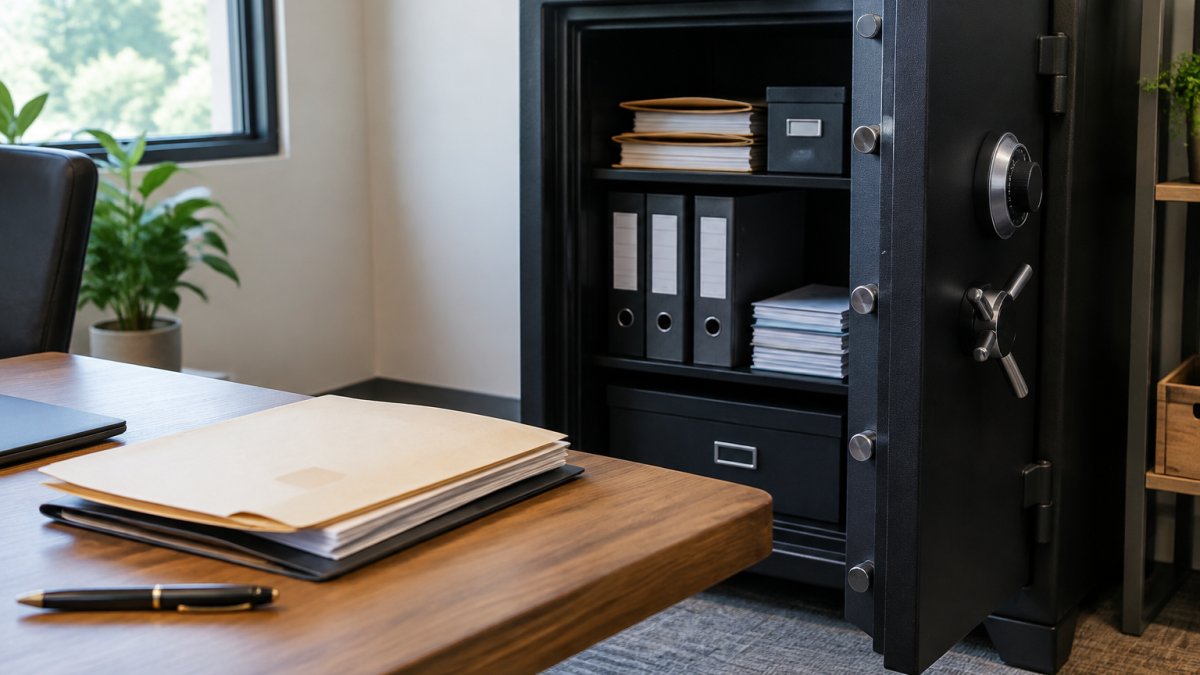
For locks that protect valuables, the same wear principles apply to safes and their locking mechanisms. If you're dealing with a safe that won't open, that's a specialized repair we handle at Bay Safe and Lock.
Repair or Replace? Making the Call on a Failing Door Lock
Repair the lock when the problem is alignment, dirt, a worn key, or loose hardware. Replace it when the cylinder is damaged, the mechanism has failed, or the lock no longer meets your security needs:
Symptom | Likely Cause | Action |
Key sticks, lock works | Dirt or dry cylinder | Clean and lubricate |
Latch misses strike plate | Misalignment | Adjust strike plate or hinges |
Spare key works, main key doesn't | Worn key | Cut a new key |
Key turns, lock won't open | Internal failure | Replace the lock |
Cylinder spins freely | Broken mechanism | Replace the lock |
Lock fails after tampering | Forced entry attempt | Replace and upgrade |
One more factor: age and security level. A builder-grade lock that's served twenty years has done its job.
Cost matters, but pricing depends on the lock type, the door, and the hardware. We don't quote numbers over the phone because they vary so much.
For property managers juggling multiple units, a repair-versus-replace call across a whole building is worth a professional assessment.
Best For Homeowners and property managers who want a clear answer on whether to repair or replace, backed by an on-site inspection rather than a guess.
Most of the failures in this guide trace back to skipped maintenance. A twice-a-year routine, clean and lubricate in spring, check alignment and tighten hardware in fall, prevents the majority of them in ten minutes per door.
Conclusion
Residential door lock failures rarely come from the lock alone. Misalignment, worn keys, dirt, moisture, and worn mechanisms do the damage, and each one has a different fix.
That's where Bay Safe and Lock comes in. We're licensed, fully insured, and federal level 2 background checked, with over a decade of hands-on experience across residential, commercial, and industrial properties.
Get started with Bay Safe and Lock and keep every door on your property secure, functional, and reliable.
Frequently Asked Questions
What could be the reason why my door suddenly won't lock?
A door that suddenly stops locking usually points to one of three things: the door has shifted on its hinges and the latch no longer meets the strike plate, the lock cylinder has collected dirt or debris, or an internal component has worn out. Seasonal humidity can also cause wood doors to swell and throw off alignment. Check the gap between the door and frame first, then inspect the latch for smooth movement. If the latch sticks or the door rubs, misalignment is the likely cause. If the key turns but the bolt won't extend, the issue is inside the lock mechanism itself.
Can a misaligned door cause a lock to fail?
Yes. Door lock misalignment is one of the most common reasons residential locks stop working. When a door sags on its hinges or the frame shifts, the latch and strike plate no longer line up. The bolt may still extend but miss the strike plate opening entirely, leaving the door unsecured. Over time, forcing a misaligned lock wears down the internal components and can bend the latch. Fixing the alignment, usually by adjusting hinges or enlarging the strike plate opening slightly, solves the problem without replacing the lock.
Can dirt or lack of lubrication make a door lock stick?
Dirt, dust, and debris inside the lock cylinder are leading causes of sticky or sluggish locks. Over time, these particles mix with old lubricant and gum up the pins, making the key hard to turn or insert. Regular lock maintenance, including cleaning and applying a dry lubricant like graphite or a PTFE-based spray, keeps the mechanism smooth. Avoid oil-based products, which attract more dirt and worsen the problem. If the key still sticks after lubrication, the cylinder may need professional inspection or replacement.
When should I call a locksmith for a door lock problem?
Call a locksmith when the key breaks off inside the cylinder, the lock cannot be turned even after lubrication, the deadbolt is loose or the door frame shows damage, or you suspect tampering. DIY fixes work for minor stiffness, loose handles, and slight misalignment, but internal lock mechanism failure or a broken key stuck in the lock requires professional tools. A licensed locksmith can extract broken keys, rekey cylinders, and realign strike plates without damaging the door. If the lock is under warranty or part of a master key system, professional service protects your coverage.
NEED AN ESTIMATE FOR YOUR PROJECT? CLICK HERE
NEED AN ESTIMATE FOR YOUR PROJECT? CLICK HERE

Comments