

Are Cloud-Based Security Systems Worth It for Industrial Facilities?
Last Updated: October 27, 2026
Quick Summary
Cloud-based security routes alarms, camera feeds, access logs, and sensor data to a hosted platform your team manages through a browser or mobile app, giving you native remote management and fast multi-site scaling. It can also add protections like phishing filters and multi-factor authentication, but it does not secure a controller left on a flat, unsegmented network.
Cloud platforms may include spam and phishing filters and multi-factor authentication, depending on the service.
Segmentation is not optional, since malware can travel from an office PC to a PLC on a shared network.
Cloud systems carry lower upfront hardware costs but add an ongoing subscription fee.
Local devices keep working during outages, while on-premises systems stay fully local.
Planning can include defining access levels by role and confirming local hardware behavior if the network drops.
Table of Contents
How Cloud-Based Security Works in an Industrial Setting
Cloud-based security is the practice of routing alarms, camera feeds, access logs, and sensor data from on-site hardware to a hosted platform that facility teams manage through a browser or mobile app. Does moving security off-site put production at risk? The answer depends on how the architecture is planned.
The Core Benefits of Cloud-Based Security for Industrial Facilities
Cloud-based security can provide a way to supervise multiple gates, docks, and restricted rooms. Below are potential benefits to consider.
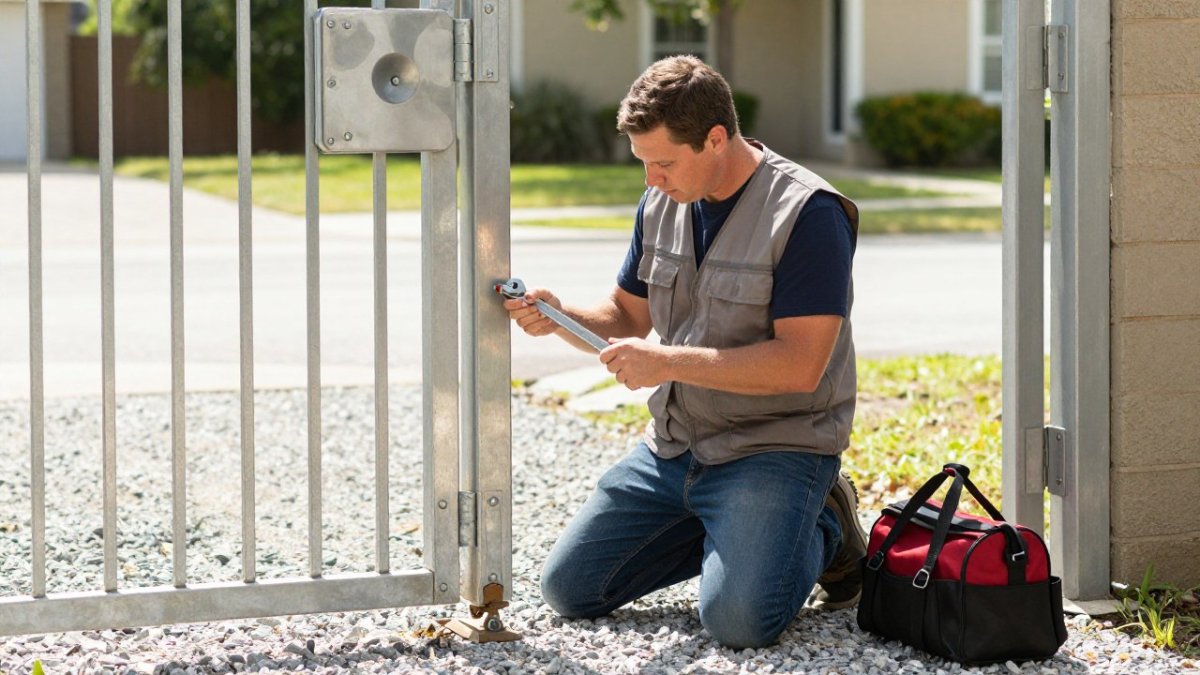
A cloud platform's reliability depends in part on the locks and readers feeding it.
Protection Against Malware, Phishing, and Ransomware
Industrial networks face cybersecurity threats, and a ransomware event can disrupt production. Cloud platforms may include security features, depending on the service.
Phishing is one cybersecurity risk to consider. Spam and phishing filters and multi-factor authentication are possible security measures. NIST cybersecurity framework
Watch out: a cloud platform does not protect a controller that still sits on a flat, unsegmented network. Malware can travel from an office PC to a PLC if the two share a network. Segmentation is not optional.
Scalability and Support for Changing Operational Needs
Changes such as adding a loading dock, a new tenant, or a second shift may require reviewing the security system.
Cloud-Based Access Control for Multi-Site Operations
Cloud-based access control can place credential decisions, schedules, and audit logs in a hosted platform rather than on a local server.

If you are comparing hardware options for retail or mixed-use sites, our guide to access control systems for retail stores covers the practical differences.
Cloud vs. On-Premises Security Systems: A Practical Comparison
The choice between cloud-based and on-premises systems depends on site count, IT capacity, and how much control you want to keep in-house.
Factor | Cloud-Based | On-Premises |
Upfront hardware cost | Lower | Higher |
Ongoing subscription | Yes | No |
Remote management | Native | Limited |
Patching and updates | Provider-managed | In-house |
Uptime during outages | Local devices keep working | Fully local |
Multi-site scaling | Fast | Slow |
Data control | Shared responsibility | Full control |
A hybrid approach is another option to consider. If you want to weigh alternatives before committing, our breakdown of alternatives to traditional commercial alarm systems is a useful starting point.
Remote Video Monitoring for Industrial Facilities
Camera placement is one factor to consider. Our security camera installation guide discusses camera placement.
Cloud Security Best Practices for Plant and Facility Managers
Cloud-security planning for a plant floor can consider the controls below when a facility runs PLCs, SCADA, HMIs, and remote vendor access alongside badge readers and cameras.
A management approach can include selecting controls, assigning an owner, and reporting metrics such as detection time, patch coverage, access-review completion, and recovery time.
Planning Your Cloud Security Upgrade with Bay Safe and Lock
Planning a security upgrade can include defining access levels by role and confirming how local hardware behaves if the network drops.
At Bay Safe and Lock, our team has over a decade of hands-on experience serving residential, commercial, and industrial properties. We are licensed, fully insured, and federal level 2 background checked. We provide master key systems and high-quality hardware installation. For the broader picture, our industrial property security solutions guide discusses security solutions, and our commercial security systems comparison covers security systems.
Frequently Asked Questions
What are the benefits of cloud-based security for industrial facilities?
Cloud-based security can offer centralized visibility and remote access, depending on the system. Facilities evaluating it can consider how it may fit their security and operational needs.
Can cloud security systems keep working during an internet outage?
Whether a cloud-based security system continues to function during an internet outage depends on its configuration. Ask about offline behavior, local storage capacity, and how long the system can operate disconnected.
How does cloud-based access control help manage multiple facilities?
Cloud-based access control may provide centralized management for multiple facilities, depending on the system. When evaluating a system, consider how it handles credentials, schedules, audit records, permissions, and reporting.
What should industrial facilities consider before moving security systems to the cloud?
Before moving security systems to the cloud, consider network segmentation, bandwidth, and how the system behaves during an outage. Review the provider's responsibilities and available security features, and plan the transition with production needs in mind.
Cloud-based security only delivers its benefits when the hardware underneath it is installed and maintained correctly. If you are planning an upgrade or need a site survey, get started with Bay Safe and Lock and build a security plan that keeps production running and your people protected.
Comments