

How to Choose a Reliable Local Locksmith
Table of Contents
How to Verify a Locksmith's Credentials
Verify Reputation Through Reviews and References
Confirm the Locksmith Serves Your Area and Offers Your Service
Residential, Commercial, and Automotive Specialties
Emergency and 24/7 Availability
Questions to Ask a Locksmith Before Hiring
Understanding Locksmith Estimate and Service Call Fees
What to Expect in a Written Estimate
Comparing Quotes from Multiple Locksmiths
How to Avoid Locksmith Scams
Red Flags That Signal an Unreliable Locksmith
Practical Steps During an Emergency Lockout
Frequently Asked Questions
Last Updated: October 18, 2026
How to Verify a Locksmith's Credentials
Choosing a reliable local locksmith starts with confirming they're qualified, an uncredentialed locksmith is a risk you cannot take with your home or business.
Check licensing first. Ask for proof, a legitimate locksmith will show their license number and explain what it covers, then verify it through your state's licensing board or local city records.
Insurance matters just as much. A bonded and insured locksmith covers damage to your door or a lost key; if they're uninsured, you pay for repairs yourself.

Background checks add another layer. A reliable local locksmith should have passed one, and many states require federal level 2 background checks for locksmiths handling sensitive access.
Professional memberships are a good sign too. Organizations like the Associated Locksmiths of America (ALOA) require continuing education and a code of ethics, so membership signals seriousness.
Here's what to look for when verifying credentials:
Valid state or local locksmith license with current renewal status
General liability insurance and bonding certificate
Federal background check documentation if applicable
Membership in professional organizations like ALOA
Years of hands-on experience in the field
Verify Reputation Through Reviews and References
A locksmith's past work predicts their future performance. Before hiring anyone, check what other customers experienced.
Start with recent reviews on Google, Yelp, and the Better Business Bureau. One bad review may be an outlier, but repeated complaints about hidden charges or slow response times are a red flag. Note how they handled disputes.
References from past clients are even more valuable than anonymous reviews. A reliable local locksmith should provide names of customers who can vouch for their work. Call them and ask: Did the locksmith arrive on time? Was the work done correctly? Would you hire them again?
Look for consistency across platforms. Excellent ratings on Google but poor ones on Yelp is worth investigating, legitimate businesses tend to have consistent feedback.
Questions to ask when checking references:
How quickly did they respond to your call?
Was the work completed on the first visit?
Did they provide an accurate estimate before starting?
Were there any unexpected charges?
Would you recommend them to others?
Confirm the Locksmith Serves Your Area and Offers Your Service
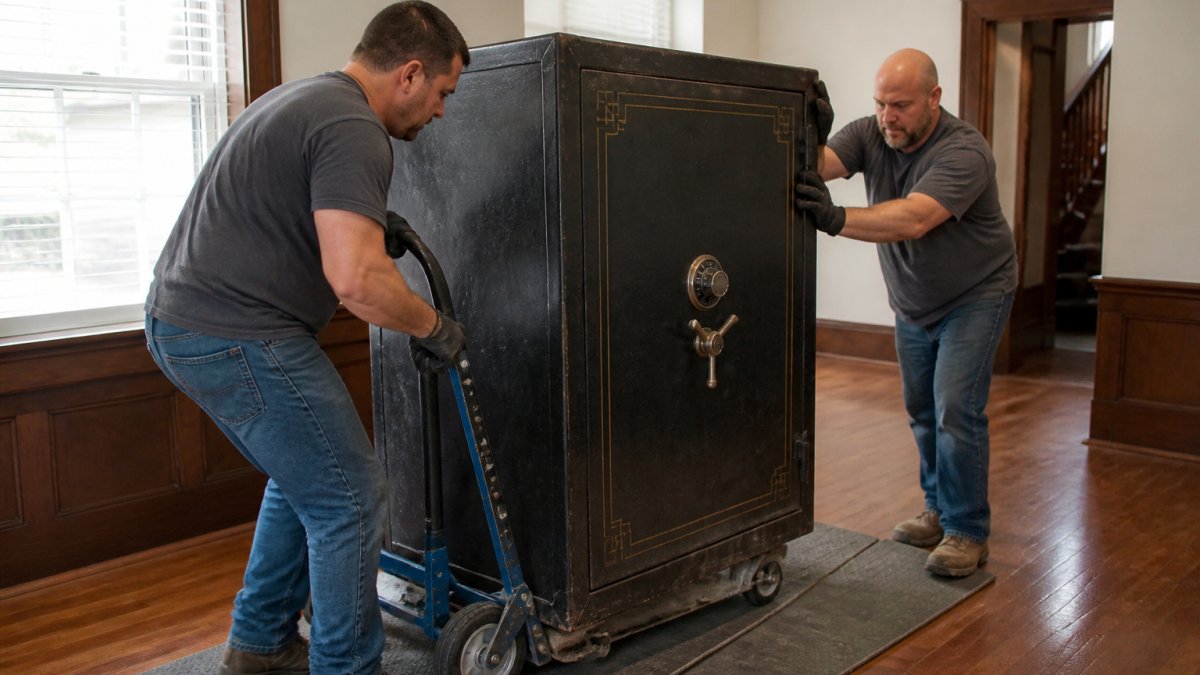
Not every locksmith does every type of work. A residential specialist might not handle commercial security systems, and an automotive locksmith might not be equipped for safe opening. Confirm service area and specialty first.
Ask directly: Do you service my area? Some locksmiths operate only within certain zip codes or regions. If they don't cover your location, they'll say so upfront.
Residential, Commercial, and Automotive Specialties
Residential locksmiths handle home lockouts, rekeying, lock installation, and key duplication, what you need if you're locked out of your house or changing locks after moving.
Commercial locksmiths handle master key systems, access control, panic bar installation, and security assessments for retail stores, offices, and restaurants. If you manage a business, you need commercial experience.
Automotive locksmiths specialize in car lockouts and key replacement, with tools and knowledge of vehicle security systems. Don't call a residential locksmith for a car lockout, they likely can't help.
A reliable local locksmith might handle multiple specialties, but they should be clear about which services they offer. Bay Safe and Lock, for example, provides comprehensive locksmith and security solutions for residential, commercial, and industrial properties, including specialized safe opening and custom fabrication services.
Emergency and 24/7 Availability
Lockouts don't happen during business hours. Ask whether the locksmith offers emergency service and what their response time is.
A true 24/7 locksmith answers your call anytime and states their typical response time. If they say 30 minutes but you're 45 minutes away, you need to know that upfront.
Some locksmiths charge extra for after-hours emergency calls, standard practice. What matters is transparency: they should tell you the emergency fee before you book.
Questions to Ask a Locksmith Before Hiring
Start with the basics: How long have you been in business? Years of hands-on experience mean more situations solved than someone just starting out.
Ask about their process: Will they pick the lock or drill it, and what happens to your lock if they drill? A good locksmith explains their approach and gives you options.
Get clarity on pricing: What's the service call fee, what's included, and what additional charges apply? A reliable local locksmith gives a written estimate before starting work.
Ask about guarantees: If the lock fails after installation, will they fix it for free? A confident locksmith stands behind their work.
Here are the essential questions to ask:
How many years of experience do you have?
Are you licensed, bonded, and insured?
Can you provide references from recent customers?
What's your typical response time for emergency calls?
Do you provide a written estimate before starting work?
What's included in your service fee?
Do you guarantee your work?
What payment methods do you accept?
Understanding Locksmith Estimate and Service Call Fees
Pricing confusion leads to disputes. Understanding how locksmiths charge prevents sticker shock and helps you compare quotes fairly.
Most locksmiths charge a service call fee to come out and assess the problem, typically $50 to $150 depending on location and time of day. It's usually applied toward the total cost if you hire them.
The estimate should break down labor and parts separately. Labor is what the locksmith charges for their time and expertise. Parts are the physical components, a new lock, a blank key, rekeying pins. A written estimate shows both.
Emergency calls after hours often cost more. A locksmith coming out at 2 a.m. charges more than one coming out at 2 p.m. That's normal. The fee should be disclosed upfront, not hidden until the invoice arrives.
What to Expect in a Written Estimate
A proper written estimate lists the specific service (lockout, lock replacement, rekeying, etc.), shows the service call fee, itemizes parts and labor, and includes the total cost. Most importantly, it should be in writing, not just a verbal quote.
The estimate protects both you and the locksmith. If the job turns out to be more complex than expected, the locksmith should contact you before proceeding and provide a revised estimate.
Ask whether the estimate is a firm quote or an estimate. A firm quote means that's the price, no surprises. An estimate means the final cost might be different if complications arise. Most locksmiths provide firm quotes for straightforward jobs like lockouts or key duplication.
Comparing Quotes from Multiple Locksmiths
Never hire the first locksmith you call. Get at least two or three quotes. This shows you the market rate and helps you spot outliers.
When comparing quotes, make sure you're comparing the same service. If one locksmith quotes you for picking a lock and another quotes you for drilling it, you're not comparing apples to apples.
Watch for suspiciously low prices. If one locksmith quotes $50 and another quotes $200 for the same service, the low quote might be bait-and-switch pricing. They get you to book them with a low price, then hit you with hidden charges once they arrive.
Compare the total cost, not just the service fee. One locksmith might charge a low service fee but high labor rates. Another might charge a higher service fee but lower labor. Look at the bottom line.
Document each quote in writing. Ask for email confirmations of the estimates. This creates a record and prevents disputes about what was quoted.
Comparison checklist:
Request written estimates from at least 2-3 locksmiths
Ensure each estimate covers the exact same service
Compare total cost, not just service fees
Check for hidden charges or unclear line items
Verify response time commitments
Confirm warranty or guarantee terms
How to Avoid Locksmith Scams
The locksmith industry has a reputation problem. Some unscrupulous operators use high-pressure tactics and hidden charges to squeeze money out of desperate customers. Knowing the red flags protects you.
Red Flags That Signal an Unreliable Locksmith
A locksmith who won't give you a price upfront is a red flag. Legitimate locksmiths provide estimates.
Pressure to use cash only is another warning sign. A reliable local locksmith accepts multiple payment methods, credit cards, checks, digital payments.
Vague answers about pricing are suspicious. If you ask "What does a lockout typically cost?" and they say "It depends," that's fair.
A locksmith who won't show credentials is a dealbreaker. If they can't produce a license, insurance certificate, or business information, don't hire them. Period.
Extremely low advertised prices followed by high actual charges is classic bait-and-switch. An ad says "$15 service call" but when they arrive, suddenly it's $150.
Refusing to provide a written estimate before starting work is a red flag. You should always get it in writing.
A locksmith who criticizes your locks and pushes you to replace them when you just need a key is being pushy. Sometimes locks do need replacing.
Red flags to watch for:
No price quote given over the phone
Insists on cash payment only
Won't show license or insurance
Advertises extremely low prices, charges much higher
Refuses to provide written estimate
Pressures you into unnecessary services
No clear business name or phone number
Doesn't answer questions directly
Practical Steps During an Emergency Lockout
When you're locked out, panic is your enemy. Staying calm helps you make smart decisions.
First, verify you actually need a locksmith. Can you get in another way?
If you do need a locksmith, take a moment before calling. Have your ID ready. Know your address.
When you call, describe your situation clearly. Are you locked out of your home? Your car? Your business?
Ask for the service fee and estimated total cost before they arrive.
When the locksmith arrives, verify their ID and credentials. Ask to see their license.
Before they start work, confirm the estimate one more time. Make sure you understand what you're authorizing them to do.
Stay present while they work. Watch what they're doing. If they suggest additional work beyond the original problem, ask why.
Get a receipt showing exactly what was done and what you paid. Ask for a warranty on the work.
Emergency lockout action plan:
Stay calm and assess your options
Verify you actually need a locksmith
Call during business hours if possible (less expensive than emergency rates)
Get a written estimate before authorizing work
Verify the locksmith's credentials when they arrive
Understand what work you're authorizing
Stay present during the work
Get an itemized receipt
Ask about warranty or guarantee
Choosing a reliable local locksmith requires diligence, but it's worth the effort.
Frequently Asked Questions
How can I tell if a locksmith is reputable?
Check for current licensing in your state, verify active insurance coverage, and read online reviews on Google and the Better Business Bureau. Ask for references from recent residential or commercial clients. A reputable locksmith will provide a written estimate upfront and display their company details, including phone number and physical address. Avoid locksmiths operating under vague names or national call centers that transfer you to local contractors.
What questions should I ask a locksmith before hiring them?
Ask about their response time, whether they're available for emergency calls, and if they can handle your specific service (residential lockout, lock replacement, rekeying, or access control). Request a written estimate that breaks down labor costs, parts costs, and any service fees. Confirm they're licensed and insured, and ask if they offer a workmanship guarantee or warranty on parts. Also verify they serve your local area and ask about their experience with your property type.
How can I avoid locksmith scams?
Watch for suspiciously low advertised prices that spike dramatically at your door, this is bait pricing. Verify credentials before work begins, not after. Never authorize work until you receive and approve a written estimate. Avoid locksmiths who pressure you to make immediate decisions or demand cash-only payment. Check that the company has a verifiable local address and phone number, not just a national call center. Request an itemized receipt showing parts, labor, and fees.
Should I get a locksmith estimate in writing?
Yes, always request a written estimate before work begins. A professional locksmith will provide a detailed breakdown showing labor costs, parts costs, service fees, and any call-out charges. This protects you from hidden charges and gives you a clear basis to compare quotes from multiple locksmiths. Confirm that the estimate includes all work needed and ask if there are any circumstances that might change the final cost.
NEED AN ESTIMATE FOR YOUR PROJECT? CLICK HERE

Comments